
Why Choosing the Right Equipment Matters
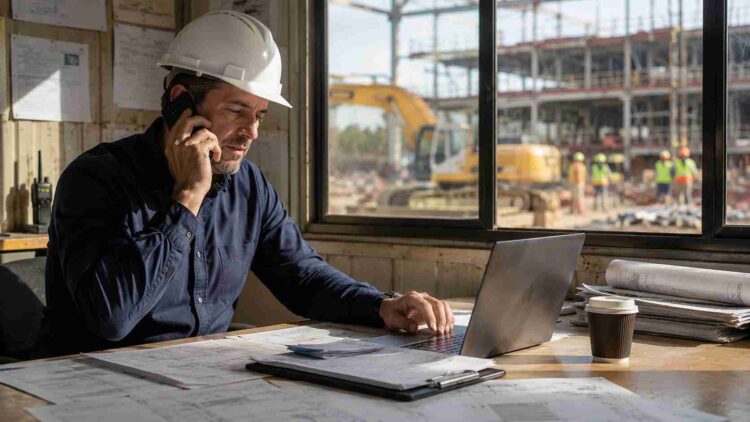
In construction, the wrong equipment choice does not just slow down work — it affects timelines, labor efficiency, and overall project costs.A machine that is too small may struggle to handle the workload, while one that is too large may be inefficient or impractical for the site. This is especially important during peak construction seasons when equipment availability is limited and project timelines are tight.Selecting between an excavator and a backhoe is one of the most common decisions contractors face, particularly during early project stages such as site preparation, trenching, and foundation work.Excavator vs Backhoe: Key Differences
Here is a simple comparison to help you understand how these machines differ:| Feature | Excavator | Backhoe Loader |
|---|---|---|
| Primary Function | Heavy excavation, demolition, earthmoving | Trenching, loading, light excavation |
| Digging Depth | Deep digging capability | Moderate depth |
| Mobility | Limited, requires transport | Highly mobile, can travel on roads |
| Attachments | Wide range (breaker, auger, grapple) | Limited compared to excavators |
| Best For | Large projects, infrastructure, demolition | Small to medium projects, utility work |
| Versatility | High with attachments | High for mixed tasks |
| Cost | Higher rental cost | More cost-effective for smaller jobs |
When to Use an Excavator
Excavators are designed for power, depth, and efficiency. They are typically used on larger construction sites where heavy-duty work is required.
Common Uses of Excavators
- Deep foundation excavation
- Trenching for pipelines and utilities
- Demolition of structures
- Bulk earthmoving
- Site clearing and grading
Why Excavators Are in High Demand
Excavators remain one of the most requested machines in construction because of their versatility and performance. With the right attachments, a single excavator can perform multiple functions across different phases of a project.
Modern excavators also come equipped with advanced features such as:
- GPS-based grading systems
- Telematics for fleet tracking
- Fuel-efficient hydraulic systems
- Enhanced operator controls
These capabilities make excavators essential for projects that require precision and efficiency.
When to Use a Backhoe Loader
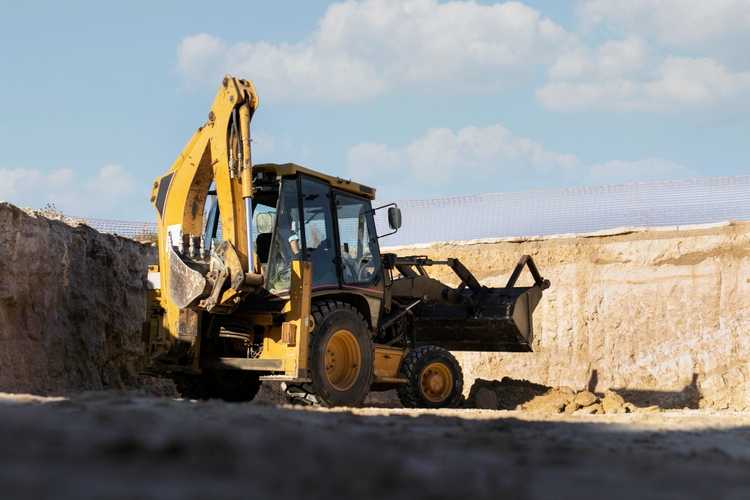
Backhoe loaders are known for their versatility and mobility. They combine a front loader with a rear digging arm, making them ideal for projects that require multiple functions in a single machine.
Common Uses of Backhoes
- Utility trenching
- Small-scale excavation
- Material loading and transport
- Landscaping and site cleanup
- Roadside and municipal work
Why Contractors Choose Backhoes
Backhoes are particularly useful for:
- Smaller job sites
- Urban construction projects
- Tasks that require both digging and loading
- Projects where mobility is important
Because they can travel between sites without additional transport, backhoes are often more convenient for contractors handling multiple smaller jobs.
Attachments That Expand Machine Capabilities
One of the biggest advantages of modern construction equipment is the ability to use attachments that extend machine functionality.
Excavator Attachments
Excavators support a wide range of attachments, including:
- Hydraulic breakers for demolition
- Augers for drilling
- Grapples for material handling
- Thumbs for gripping objects
- Crushers for concrete processing
These excavator attachments allow excavators to adapt to different tasks without needing additional machines.
Backhoe Attachments
Backhoes also support several attachments, such as:
- Buckets of different sizes
- Hydraulic hammers
- Augers
- Thumbs
While more limited than excavators, these attachments still make backhoes highly versatile for general construction tasks.
Which Machine Is Better for Your Project?
The choice between an excavator and a backhoe depends on several factors.
Choose an Excavator If You Need:
- Deep excavation
- Heavy-duty earthmoving
- Demolition capabilities
- Large-scale site preparation
- High productivity for continuous operations
Choose a Backhoe If You Need:
- A compact, multi-purpose machine
- Mobility between job sites
- Light to medium excavation
- Material loading and handling
- Cost-effective solutions for smaller projects
How to Decide: A Simple Checklist
Before choosing equipment, consider the following:
- Project size
Large-scale projects typically require excavators, while smaller projects can benefit from backhoes. - Digging depth
If your project requires deep digging, an excavator is the better choice. - Site conditions
Tight or urban job sites may favor compact backhoes or mini excavators. - Type of work
Mixed tasks (digging + loading) favor backhoes, while specialized tasks favor excavators. - Equipment availability
During peak construction season, availability may influence your decision.
Excavator vs Backhoe in Early Construction Phases
During early construction stages such as site preparation and foundation work, both machines play important roles.
- Excavators are typically used first for heavy digging and site clearing
- Backhoes may follow for trenching and finishing tasks
Understanding how these machines complement each other can improve workflow efficiency and reduce project delays.
Renting vs Buying: What Makes More Sense?
For many contractors, renting equipment is a more practical option than purchasing.
Benefits of Renting Equipment
- Access to modern machines without capital investment
- Flexibility to scale equipment based on project needs
- Reduced maintenance and storage costs
- Availability of specialized machines when required
This is especially important during peak construction seasons when equipment demand is high and project timelines are tight.
Why Equipment Availability Matters
One of the most common challenges in construction is equipment delay.
When equipment does not arrive on time:
- crews remain idle
- project timelines shift
- costs increase
Having reliable access to the right machine is just as important as choosing the right machine.
Final Thoughts
Choosing between an excavator and a backhoe is not just about equipment — it is about project efficiency.
Each machine serves a specific purpose, and selecting the right one can make a significant difference in how smoothly your project runs. Excavators offer power and depth, while backhoes provide flexibility and convenience.
Understanding your project requirements, site conditions, and workload will help you make the right decision.
Need Help Choosing the Right Equipment?
If you are planning a project and need the right machine, having access to reliable equipment and fast coordination can make all the difference.
Book the right equipment now and keep your project moving without delays.