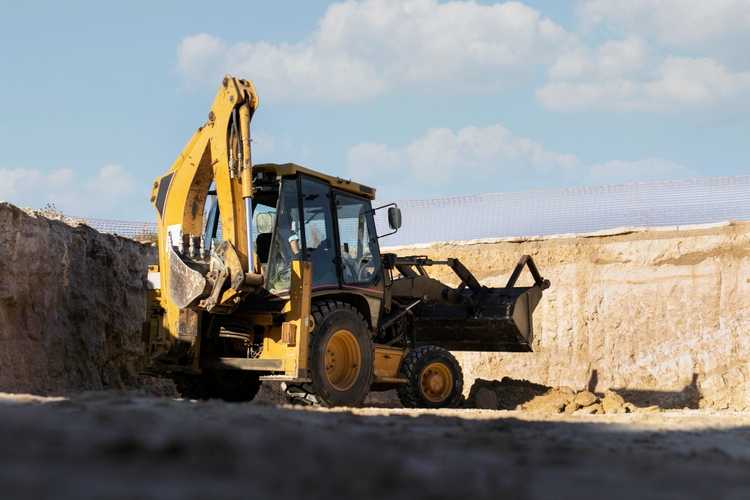


Equipment downtime increases construction costs by reducing labor productivity, extending project timelines, and creating inefficiencies that compound over the life of a project.
Although downtime may appear minor at first, its cumulative impact can significantly affect overall budget performance.
Understanding Equipment Downtime in Construction
In construction, equipment downtime refers to any period when machinery is unavailable or unable to perform its intended function. This includes situations where equipment is delayed, out of service, or not delivered when scheduled.Common examples include:- A machine arriving later than planned
- Equipment breaking down during operation
- Crews waiting for replacement or backup equipment
- Delays caused by coordination or scheduling gaps
Why Equipment Downtime Affects Budgets More Than Expected
Downtime impacts multiple cost areas simultaneously, which is why it is often underestimated.These cost areas include:1. Labor Utilization
When equipment is unavailable, crews may be partially or fully idle. Even short delays can lead to paid labor hours with reduced output.2. Schedule Efficiency
Construction activities are typically sequenced. Delays in one phase can affect subsequent tasks, leading to rescheduling or compressed timelines later in the project.3. Productivity Loss
Work performed out of sequence or under time pressure often results in lower efficiency and reduced quality.4. Management Overhead
Project teams spend additional time coordinating solutions, adjusting schedules, and communicating with multiple suppliers.Each of these factors contributes incrementally to budget strain.Why Downtime Costs Are Often Overlooked
Unlike material overruns or scope changes, downtime costs are rarely recorded as a single expense.They are usually:- Spread across payroll and supervision costs
- Absorbed into general project delays
- Classified as “normal jobsite inefficiencies”
Equipment Downtime in the US Construction Context
In the US construction environment, downtime can be particularly costly due to:- Higher labor rates
- Limited skilled labor availability
- Seasonal construction windows
- Strict completion deadlines tied to penalties or incentives
Common Causes of Equipment Downtime
Most downtime is not caused by mechanical failure alone, but by planning and coordination challenges.Typical causes include:- Late or missed deliveries
- Insufficient equipment availability during peak demand
- Reliance on multiple vendors without centralized coordination
- Limited access to replacement equipment
Equipment Cost vs Downtime Cost
It is common to focus on minimizing rental or purchase costs. However, the financial impact of downtime often exceeds the cost of the equipment itself.For example:- A lower-cost rental that arrives late can lead to idle labor and schedule disruption
- A reliable equipment source may reduce indirect costs, even if the daily rate is higher
How Downtime Compounds Over Time
Downtime rarely affects only one activity. Its effects often extend across:- Multiple trades
- Inspection schedules
- Material deliveries
- Subsequent project phases
Educational Best Practices to Reduce Downtime
Construction teams can reduce downtime by focusing on:- Early identification of equipment needs
- Clear scheduling and delivery planning
- Reducing reliance on multiple, uncoordinated suppliers
- Ensuring backup options are available when possible