
An excavator can either keep your project moving efficiently or become the reason schedules start slipping.
Choose a machine that’s too small, and productivity drops fast. Choose one that’s too large, and you may struggle with access, fuel costs, transport logistics, and unnecessary operating expenses.
That’s why excavator selection should never be based only on availability or rental price. The right machine depends on your site conditions, project scope, digging requirements, and overall jobsite logistics.
Whether you’re handling utility trenching, commercial site preparation, grading, demolition, or infrastructure work, understanding how to choose the right excavator helps reduce downtime, improve productivity, and avoid costly project delays.
What Does an Excavator Do on a Construction Site?
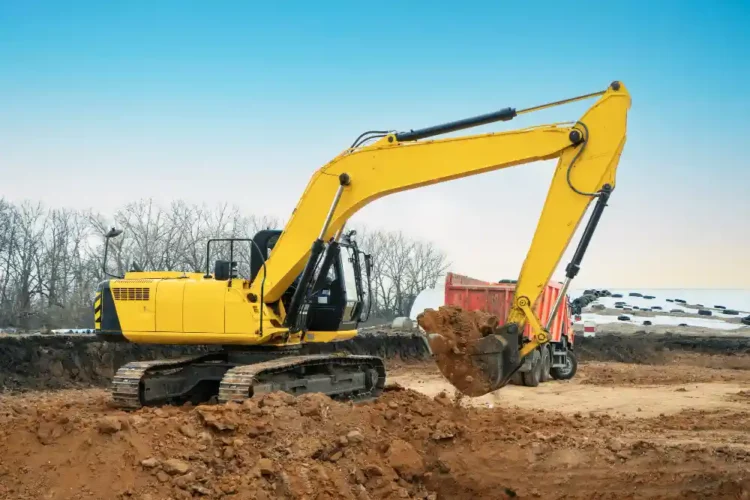
An excavator is a heavy construction machine primarily used for digging, trenching, lifting, grading, demolition, and material handling.
Excavators are one of the most versatile machines on a jobsite because they can perform multiple tasks using different attachments and configurations. Contractors commonly use them during:
- site preparation
- foundation excavation
- road construction
- utility installation
- land clearing
- material movement
The key is matching the machine’s size and capabilities to the actual demands of the project.
Why Choosing the Right Excavator Matters
Excavator performance affects more than just digging speed.
The wrong machine can slow crews down, increase fuel consumption, create transport complications, and reduce efficiency across the entire site.
For example, using a large excavator on a tight urban project may create maneuverability issues and damage finished surfaces. On the other hand, using a compact excavator for heavy commercial excavation may extend timelines because the machine lacks the required digging power and reach.
The goal is to choose equipment that balances:
- productivity
- site access
- operating cost
- mobility
- project duration
Contractors who make the right equipment decisions early usually avoid many of the delays that happen later during execution.
Understanding Excavator Size Categories
Excavators are generally divided into three main categories: compact, mid-size, and large machines.
Compact Excavators
Compact excavators, often called mini excavators, are designed for projects with limited access or lighter excavation requirements.
They work well for:
- residential construction
- landscaping
- utility trenching
- small demolition work
- tight-access urban sites
Their smaller footprint allows operators to work efficiently in confined spaces where larger equipment cannot maneuver easily.
Compact excavators are also easier to transport and typically create less surface damage, making them ideal for finished or partially completed sites.
Mid-Size Excavators
Mid-size excavators are the most commonly used machines for commercial construction projects.
They offer a balance between power and flexibility, making them suitable for:
- commercial site prep
- foundation excavation
- roadwork
- utility installation
- general earthmoving
For many contractors, this category provides the best combination of digging capability, lifting capacity, and jobsite versatility.
Mid-size excavators can handle a wide range of attachments while still remaining practical for transportation and daily site movement.
Large Excavators
Large excavators are built for high-production environments and heavy-duty excavation work.
These machines are typically used for:
- infrastructure projects
- highway construction
- mass earthmoving
- large-scale demolition
- mining applications
They provide greater digging depth, larger bucket capacity, and stronger hydraulic power, but they also require more staging space and more complex transport coordination.
Large excavators make sense when production speed and material volume outweigh mobility concerns.
Key Factors to Consider Before Choosing an Excavator
Choosing the right excavator starts with evaluating how the machine will actually operate on the site.
Site Access and Space Constraints
Some projects have limited entry points, narrow pathways, overhead obstructions, or nearby structures that restrict machine movement.
Before renting an excavator, evaluate:
- gate width
- turning space
- overhead clearance
- slope conditions
- nearby utilities
Compact machines are often the better choice for urban or confined projects where maneuverability matters more than maximum digging power.
Digging Depth Requirements
Every excavator has a maximum digging depth and reach.
If the machine cannot reach the required trench depth efficiently, operators spend more time repositioning equipment, which slows productivity.
Projects involving utility installation, drainage work, or foundation excavation usually require careful evaluation of:
- trench depth
- reach requirements
- dumping height
- lift radius
Matching the excavator to the excavation scope helps crews work faster with fewer interruptions.
Ground Conditions
Jobsite terrain directly affects excavator performance.
Soft soil, mud, uneven grades, or unstable ground may require:
- tracked excavators
- wider track systems
- additional stability support
Rough terrain projects often demand machines with better traction and balance, especially during lifting operations or heavy digging.
Ignoring ground conditions can reduce efficiency and increase safety risks onsite.
Attachment Compatibility
Modern excavators are used for much more than digging.
Many contractors rely on attachments such as:
- hydraulic breakers
- augers
- grapples
- compactors
- grading buckets
If your project requires multiple functions, attachment compatibility becomes important.
Using the right attachments can eliminate the need for additional equipment and reduce overall project costs.
Excavator Selection by Project Type
| Project Type | Recommended Excavator Type |
|---|---|
| Residential trenching | Compact excavator |
| Utility installation | Compact or mid-size excavator |
| Commercial site preparation | Mid-size excavator |
| Foundation excavation | Mid-size excavator |
| Highway construction | Large excavator |
| Mass earthmoving | Large excavator |
| Demolition projects | Mid-size or large excavator |
| Tight-access urban work | Compact excavator |
This type of planning helps contractors avoid over-renting equipment while still maintaining productivity.
Track vs Wheeled Excavators
Another important consideration is mobility.
Track Excavators
Tracked excavators are the standard choice for most construction projects because they provide:
- better traction
- improved stability
- stronger performance on rough terrain
They work best on dirt, gravel, mud, and uneven surfaces.
Wheeled Excavators
Wheeled excavators are commonly used for:
- roadwork
- municipal projects
- paved urban environments
They move faster between locations and reduce damage to finished surfaces.
However, they are less effective on unstable terrain compared to tracked machines.
Renting vs Buying an Excavator
For many contractors, renting an excavator makes more operational sense than ownership.
Excavator rental allows companies to:
- match equipment to specific project phases
- avoid long-term maintenance costs
- access newer machines
- scale operations more easily
- reduce idle equipment expenses
Rental also provides flexibility when project demands change unexpectedly.
Instead of owning multiple machines for occasional use, contractors can coordinate equipment based on active workload requirements.
Common Excavator Selection Mistakes
One of the most common mistakes contractors make is choosing equipment based only on rental price.
A lower rental rate does not help if the machine:
- slows production
- burns excess fuel
- cannot handle the workload efficiently
Another common issue is underestimating transport logistics. Larger excavators may require special trailers, permits, or escort coordination depending on state regulations and machine size.
Contractors also frequently overlook site conditions during planning. Wet ground, steep grades, and unstable terrain can affect machine performance significantly if the excavator is not suited for the environment.
Proper equipment planning prevents many of these operational problems before they impact schedules.
How National Dispatching Helps Contractors Coordinate Excavator Rentals
National Dispatching helps contractors coordinate excavator rentals and jobsite logistics for projects across the U.S.
From compact excavation equipment to larger earthmoving machines, National Dispatching supports contractors with:
- equipment sourcing
- dispatch coordination
- multi-site logistics
- delivery scheduling
- jobsite support services
This helps reduce delays and simplifies equipment coordination for active construction projects.
Final Thoughts
Choosing the right excavator is about more than machine size. It’s about selecting equipment that matches your project scope, site conditions, production goals, and operational requirements.
The right machine improves productivity, reduces downtime, and helps crews work more efficiently from the start.
Whether you’re handling utility work, commercial excavation, demolition, or large-scale site preparation, proper excavator selection plays a major role in keeping projects on schedule and under control.
For contractors managing active jobsites, fast equipment coordination and reliable dispatch support can make a significant difference in overall project performance.