
Whether you’re managing a compact residential build or coordinating a large-scale infrastructure project, selecting the right earthmoving equipment is critical to keeping everything moving efficiently. From clearing land to compacting soil, each machine plays a distinct role in the workflow. This guide outlines the ten most essential earthmoving machines and how they contribute to smarter, safer, and more productive job sites.
1. Bulldozer
Best For: Site clearing, grading, and pushing heavy material
Bulldozers are often the first machines to roll onto a jobsite. With their powerful front blades and tracked mobility, they’re designed to tackle uneven ground, remove obstructions, and prepare raw land for development. Accurate grading and early clearing reduce bottlenecks later in the project because bulldozers help establish level work surfaces, which minimizes delays during excavation or foundation work and sets the tone for smooth progression in subsequent stages.
Why It Matters: Having a bulldozer on-site early in the process accelerates land preparation, ensures better coordination with follow-up excavation tasks, and minimizes idle time for other equipment.
2. Excavator
Best For: Digging, trenching, foundation work, and heavy lifting
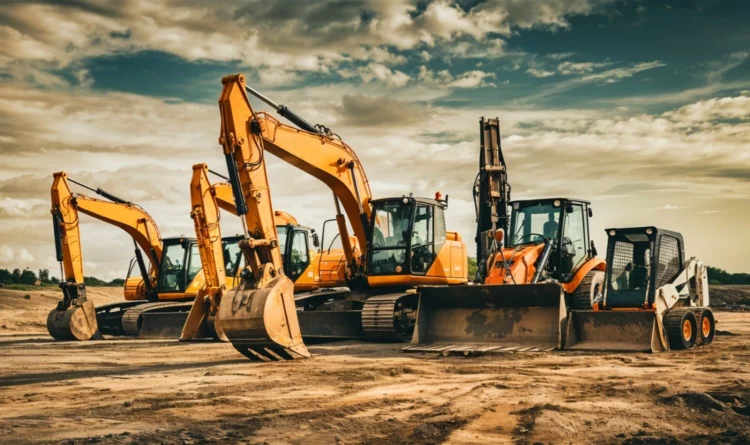
Equipped with a hydraulic arm and a deep bucket, excavators offer precision and reach that few machines can match, making them indispensable for jobs that require deep cuts or tight working conditions. Excavators speed up tasks such as trenching for utilities, footing excavation, and site prep because they reduce manual labor and improve accuracy in confined areas, allowing contractors to stay on schedule with greater control.
Why It Matters: By handling deep and precise excavation work, excavators significantly reduce the need for rework, protect underground structures, and keep foundational tasks aligned with project deadlines.
3. Skid Steer Loader
Best For: Material handling, grading, backfilling, and landscaping
Compact and highly maneuverable, skid steers excel in tight spaces where larger equipment cannot operate efficiently. They support a wide range of attachments, from buckets to augers, enabling them to quickly switch between applications. Their versatility allows for rapid transitions between tasks, making them especially useful for small crews or jobs that require multi-purpose utility without the need for multiple machines.
Why It Matters: Skid steers improve jobsite agility, reduce labor costs through multitasking, and help maintain momentum on smaller or more complex work areas.
4. Wheel Loader
Best For: Loading trucks, moving materials, and stockpiling
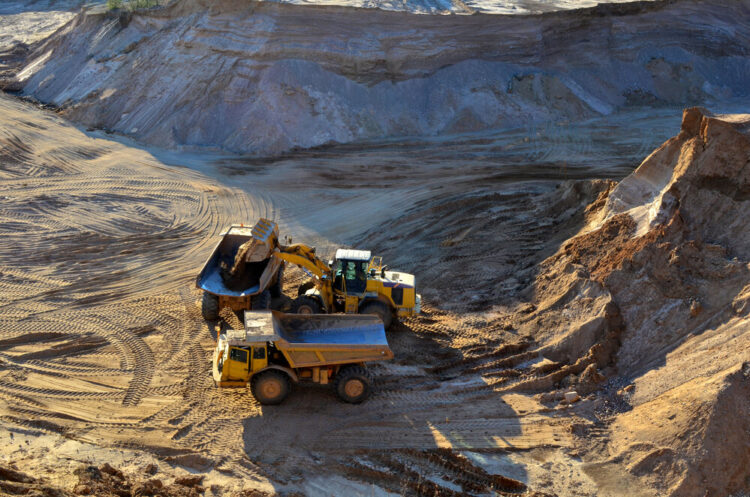
Wheel loaders feature front-mounted buckets that make it easy to scoop and transport loose material such as gravel or soil. With four-wheel drive and good speed on flat ground, they are ideal for short-haul loading tasks. They help maintain a steady material flow by keeping dump trucks loaded and stockpiles organized, ultimately improving on-site efficiency without disrupting major excavation operations.
Why It Matters: A reliable wheel loader reduces material handling bottlenecks and supports seamless coordination between hauling and excavation crews.
5. Backhoe Loader
Best For: Digging, trenching, light demolition, and small-scale site prep
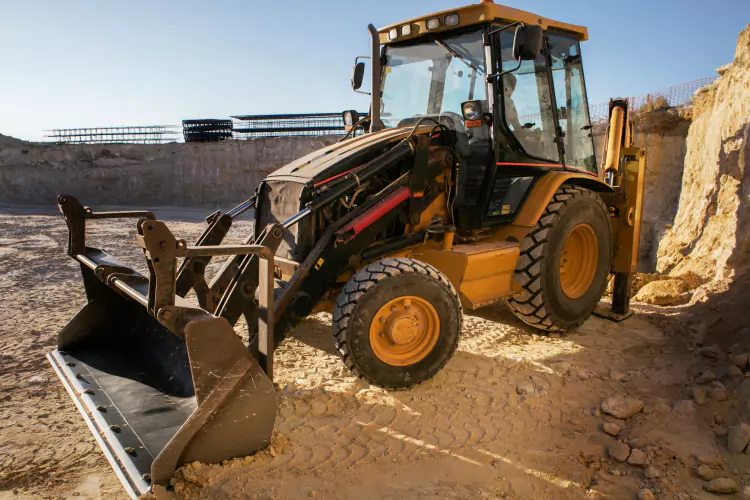
Combining a front loader and a rear backhoe, this dual-purpose machine is well-suited for smaller sites where space and resources are limited. Instead of coordinating multiple machines, a backhoe loader allows a single operator to manage both digging and loading tasks, resulting in a streamlined approach that enhances workflow, conserves space, and reduces the overall equipment footprint on constrained job sites.
Why It Matters: Backhoe loaders offer excellent value on jobs where versatility and compact operation are required, helping to maintain productivity without overcrowding the site.
6. Dump Truck
Best For: Transporting soil, aggregates, and demolition debris
Dump trucks are crucial for site logistics and play a central role in hauling material to and from the jobsite. Their hydraulic beds allow for fast unloading, which minimizes downtime between trips. Efficient hauling reduces material pileups and idle machine time, thereby helping to keep excavation, cleanup, and backfilling tasks aligned with the overall project timeline.
Why It Matters: A dependable dump truck schedule reduces delays in excavation, ensures faster material clearance, and supports continuous workflow across all project phases.
7. Motor Grader
Best For: Fine grading, roadwork, and slope shaping
Motor graders use a centrally mounted blade to create flat surfaces and precise slopes, and they are frequently deployed in paving prep and road-building operations. Precise surface preparation with a grader helps avoid structural issues later in the project, as it ensures that asphalt or concrete layers are applied evenly, reducing the risk of rework and improving surface longevity.
Why It Matters: Accurate grading with motor graders improves the quality of finished surfaces, enhances drainage control, and sets the stage for long-lasting roads and foundations.
8. Trencher
Best For: Laying utilities and digging narrow trenches
Trenchers are specifically designed to dig narrow, uniform channels for installing pipes, cables, and drainage systems. Available in chain or wheel configurations, they outperform manual methods or larger machines in tight applications. By delivering clean, consistent trench depths and widths, trenchers make underground utility installation more predictable and reduce the need for backtracking or corrections.
Why It Matters: Trencher efficiency minimizes installation time for essential services, helps maintain underground system integrity, and keeps utility contractors ahead of schedule.
9. Compactor / Roller
Best For: Compacting soil, gravel, or asphalt before and after construction
These machines apply force to remove air gaps from loose base layers, increasing soil density and creating a stable platform for future construction work. Proper compaction is essential because it prevents future settling, which in turn protects foundations, roads, and underground utilities from costly failures and premature degradation.
Why It Matters: Effective compaction supports structural durability, prevents post-construction surface failure, and reduces costly warranty issues and callbacks.
10. Crawler Loader
Best For: Material movement on rough or uneven terrain
Combining the rugged traction of a bulldozer with the lifting ability of a loader, crawler loaders are ideal for job sites with muddy, rocky, or otherwise unstable ground conditions. They offer dependable traction and maneuverability where wheeled machines might slip or sink, reducing the need for site prep and making them an efficient option for moving materials across challenging terrain.
Why It Matters: Crawler loaders maximize efficiency in rough environments, reduce the risk of equipment immobilization, and support reliable operations in poor soil conditions.
Choosing the Right Machine for Your Project
No two job sites are the same, and neither are your construction equipment needs. Matching the right earthmoving machine to the specific demands of your task enhances safety, reduces costly delays, and keeps operations on schedule. Whether you’re managing multi-equipment or renting on an as-needed basis, informed choices lead to smoother and more successful construction outcomes.
Want expert guidance on which machine to use for your next phase? Our team is here to help with insight-backed recommendations based on your timeline, terrain, and project type.