
Keeping a construction site dry is a constant challenge. Whether it’s heavy rain, groundwater seepage, or an unexpected pipe break, standing water can bring work to a halt. Not only does excess water delay progress, but it also creates safety hazards and can compromise site stability. That’s where trash pumps come in. Designed to handle water mixed with debris, these powerful pumps help construction crews stay on schedule and maintain a safe, efficient jobsite.
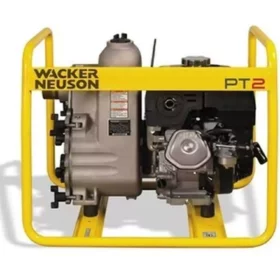
Why Trash Pumps Are Essential for Construction Dewatering
Unlike standard water pumps, trash pumps are built for the tough conditions of construction sites. They efficiently remove water containing mud, sand, and other debris without clogging. Here’s why they’re a must-have:
Handles Debris with Ease
Trash pumps are designed to process water with solids, ensuring efficient dewatering even in muddy or sandy conditions. Standard pumps often struggle with clogging issues when dealing with debris-filled water, requiring frequent maintenance that can slow down operations. With a trash pump, construction teams can maintain productivity by ensuring uninterrupted water removal.
High Flow Rates
These pumps move large amounts of water quickly, helping sites drain fast and stay operational. This is critical when dealing with heavy rainfall or sudden water accumulation that could otherwise delay progress. The ability to pump thousands of gallons per minute means that even large-scale flooding can be managed efficiently, preventing long-term disruptions.
Durability for Jobsite Conditions
Built to withstand harsh environments, trash pumps are made with rugged materials for long-lasting performance. Their sturdy design ensures they can operate in demanding conditions without frequent breakdowns. Whether handling rocky debris, corrosive liquids, or thick sludge, these pumps are engineered to keep up with the tough demands of construction sites.
Portability and Versatility
Easy to transport and deploy, they can be moved to different areas as needed. Their adaptability makes them a practical choice for construction sites of all sizes, ensuring flexibility in response to changing water removal needs. Whether working on excavation sites, road projects, or building foundations, a trash pump can be positioned where it is most effective, ensuring optimal site management.
Choosing the Right Trash Pump for the Job
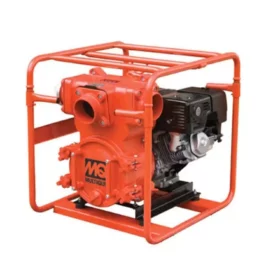
Selecting the right pump is essential for efficiency. Here’s what to consider:
- Pump Size and Capacity: A 3-inch or 4-inch pump suits most construction dewatering needs, while larger sites may need higher-capacity options. Selecting a pump with the right capacity ensures that excess water is removed in a timely manner without overloading the equipment.
- Power Source: Gas-powered models offer mobility, while electric pumps work well for sites with a stable power supply. For remote areas, a gas-powered pump provides flexibility, while electric options are ideal for controlled environments with power access.
- Flow Rate: Matching the pump’s gallons per minute (GPM) to the site’s water accumulation rate ensures quick water removal. A higher flow rate means faster dewatering, reducing downtime and increasing efficiency.
- Material Durability: Corrosion-resistant components extend the pump’s lifespan in tough conditions. Choosing a pump made from stainless steel or other resistant materials ensures longevity, especially in environments where exposure to harsh elements is a concern.
- Pump Design: Centrifugal pumps are ideal for large volumes of water, while diaphragm pumps handle thick mud and sludge more effectively. Understanding the nature of the water to be removed helps in selecting the right type of pump to maximize efficiency.
Best Practices for Effective Dewatering
Using a trash pump efficiently requires more than just turning it on. Follow these best practices to get the most out of your equipment:
- Inspect Regularly: Check hoses, seals, and impellers before and after use to prevent clogs and maintain performance. A proactive approach to maintenance can prevent costly repairs and downtime.
- Clean After Use: Flushing out the pump prevents debris buildup and extends its lifespan. Keeping the pump clean ensures smooth operation and prevents unexpected failures.
- Monitor Fuel and Oil Levels: Keep an eye on lubrication and fuel to ensure uninterrupted operation. Running a pump with low oil levels can lead to mechanical damage, reducing efficiency and lifespan.
- Optimize Hose Placement: Proper hose positioning prevents re-flooding and maximizes drainage efficiency. Strategically placing hoses ensures water is directed away from critical work areas.
- Use Strainers When Necessary: If large debris is present, use a strainer to prevent blockages that could damage the pump’s internal components. This step helps maintain steady performance and prevents downtime due to clogs.
- Follow Manufacturer Guidelines: Adhering to recommended operating procedures ensures the pump runs efficiently and remains in optimal condition. Manufacturers provide specifications that, when followed, enhance the longevity and effectiveness of the pump.
Preventing Downtime with a Proactive Plan
A well-prepared jobsite minimizes disruptions caused by water intrusion. Consider these strategies:
- Keep Backup Pumps Available: Having an extra unit on-site ensures continuous operation if a primary pump fails. Unplanned pump failures can lead to costly delays, making backups an essential precaution.
- Develop a Dewatering Plan: Assign roles and monitor weather conditions to activate response measures before flooding becomes an issue. Establishing a response protocol ensures quick action when water accumulation begins.
- Partner with Reliable Rental Services: Renting from a trusted provider ensures access to well-maintained, high-performance pumps when needed. Rental services offer flexible options that accommodate varying project durations and requirements.
Additional Tips for Cost-Effective Dewatering
- Manage Hoses Properly: Secure hoses to prevent leaks and inefficiencies. Well-maintained hoses reduce water loss and improve the overall efficiency of the dewatering process.
- Improve Site Grading: Adjust site grading to channel water toward collection points for easier pump access. Strategic grading prevents water pooling in critical areas, making dewatering more manageable.
- Train Your Team: Educate workers on proper pump operation and troubleshooting to minimize downtime. A well-trained team ensures that dewatering equipment is used efficiently and safely.
- Consider Seasonal Factors: Cold weather can affect pump performance, so prepare accordingly for freezing temperatures. Protecting pumps with insulation or heated enclosures prevents operational issues in winter conditions.
Looking Ahead: The Future of Dewatering Technology
Advancements in pump technology continue to improve efficiency and sustainability. Many modern trash pumps now include remote monitoring features, allowing site managers to track performance and fuel usage in real-time. These smart features provide alerts for maintenance needs, reducing the risk of unexpected breakdowns.
Additionally, eco-friendly pump options are becoming more available, reducing emissions while maintaining high performance. Innovations in energy-efficient pump designs and alternative fuel sources contribute to greener construction practices while ensuring optimal water management.
Water intrusion is an unavoidable challenge, but it doesn’t have to stop progress. With the right trash pump, proper planning, and regular maintenance, you can keep your construction site dry and fully operational. Partnering with a trusted equipment rental provider ensures access to high-quality, reliable pumps exactly when you need them. Investing in the right rental solutions can help minimize downtime, maintain efficiency, and keep projects on track, no matter the conditions.