
Not every piece of equipment on a construction site pulls double duty—but telehandlers do. Think of them as the multitool of material handling: one machine that lifts like a forklift, extends like a crane, and moves with the agility job sites demand. Whether you’re working on a multi-story structure or managing materials on rough terrain, telehandlers are engineered to keep operations moving efficiently and safely.
Before we dive into the types and capacities available, it’s important to understand what a telehandler is—and why it’s earned its place as a must-have on today’s construction sites.
What Is a Telehandler?
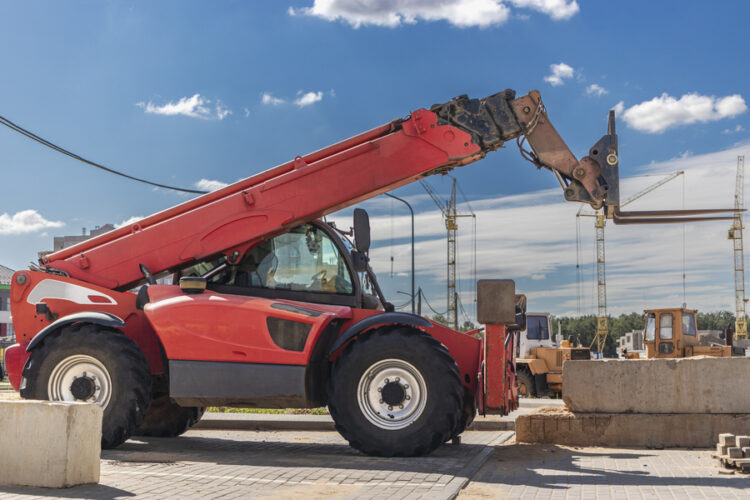
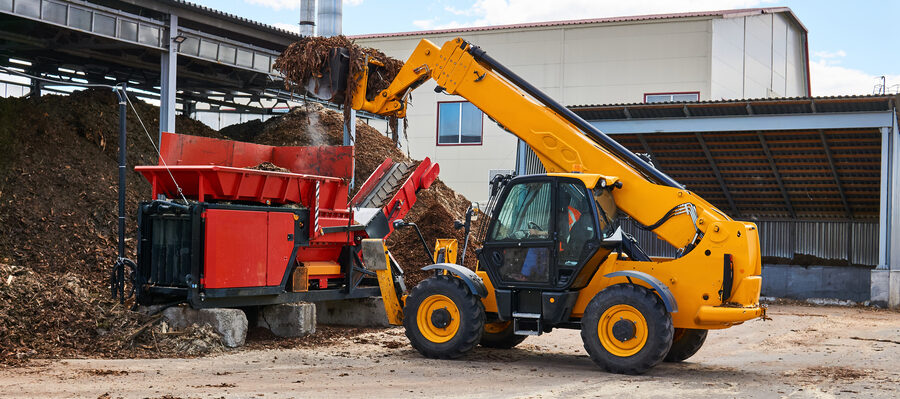
A telehandler, also called a telescopic handler, is a multi-purpose lifting machine that combines the strengths of a forklift and a crane. It’s equipped with a telescopic boom that extends both upward and outward, allowing it to lift and place loads at heights and distances that regular forklifts can’t reach.
Thanks to interchangeable attachments like forks, buckets, or lifting hooks, telehandlers can adapt to a wide range of tasks, from moving pallets and lifting concrete blocks to elevating workers for aerial tasks. Their all-terrain capabilities and maneuverability make them especially useful on rugged or uneven ground, common in construction and agricultural environments.
Different Types of Telehandlers
Telehandlers, also known as telescopic handlers, are versatile lifting machines widely used in construction, agriculture, and industrial applications. They are categorized based on their lift capacity and maximum reach, which helps in selecting the right equipment for specific project needs.
1. Compact Telehandlers (Under 6,000 lbs Lift Capacity)
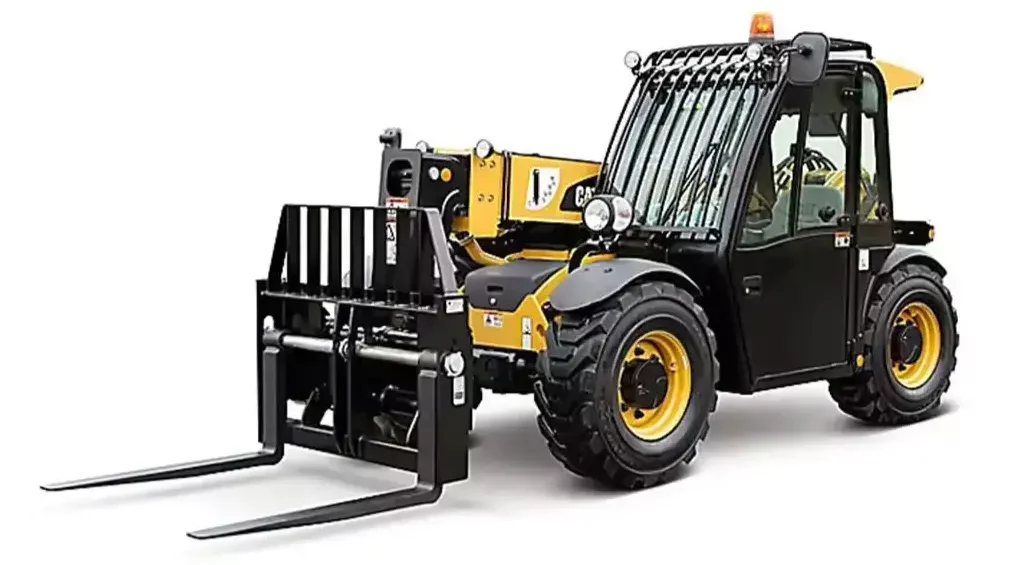
Compact telehandlers are designed for tasks in confined spaces where maneuverability is crucial. Their smaller size doesn’t compromise performance, making them ideal for indoor projects or sites with limited access.
- 5,000 lbs. 19 Ft Telehandler: This model is perfect for indoor construction, warehouse operations, and residential projects where space is at a premium. Its compact design allows for easy navigation through tight areas while still providing sufficient lift capacity for light-duty tasks.
2. Medium Telehandlers (6,000 to 10,000 lbs Lift Capacity)
Medium telehandlers offer a balance between power and size, making them suitable for a wide range of construction and industrial applications. They provide greater reach and lift capacity than compact models, accommodating more demanding tasks.
- 6,000 lbs. 36 – 42 Ft Telehandler: Ideal for general construction tasks, this telehandler offers moderate reach, making it suitable for loading and unloading materials at various heights.
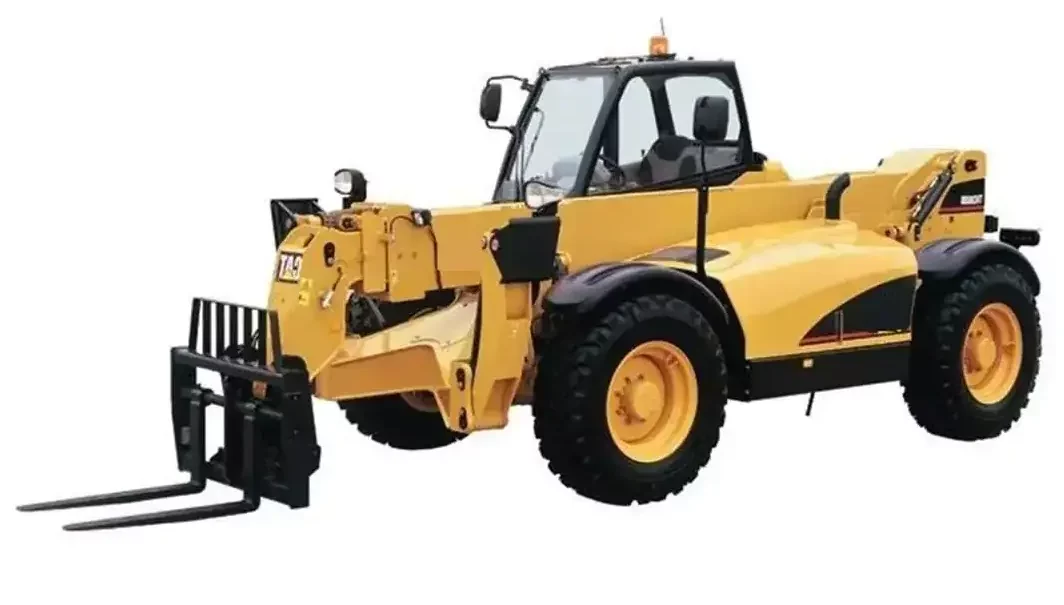
- 8,000 – 9,000 lbs. 44 Ft Telehandler: With extended reach capabilities, this model is well-suited for multi-story building projects, allowing materials to be placed at significant heights with ease.
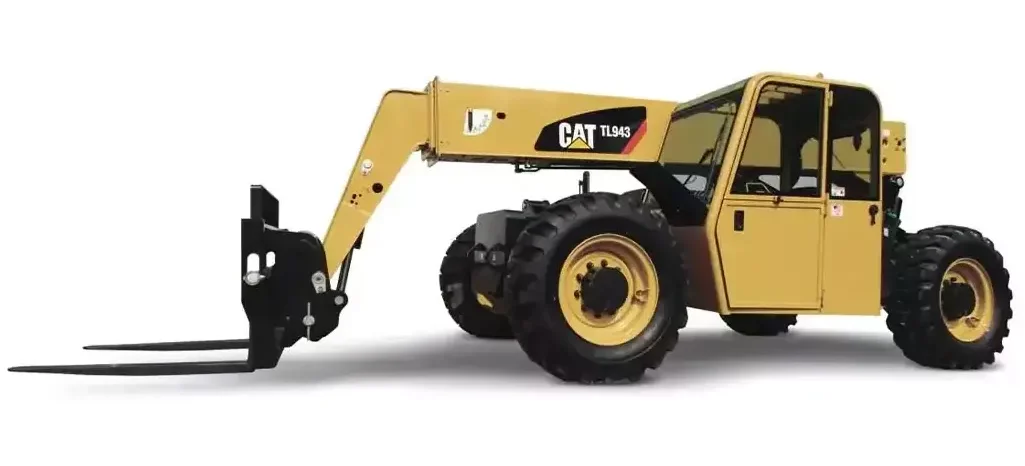
3. Heavy-Duty Telehandlers (10,000 to 12,000 lbs Lift Capacity)
Heavy-duty telehandlers are built for the most demanding tasks, offering maximum lift capacities and reach. They are essential for large-scale construction projects, industrial applications, and situations requiring the movement of heavy materials to great heights.
- 10,000 lbs. 55 Ft Telehandler: This telehandler is designed for placing heavy materials at substantial heights, making it ideal for high-rise construction and large infrastructure projects.
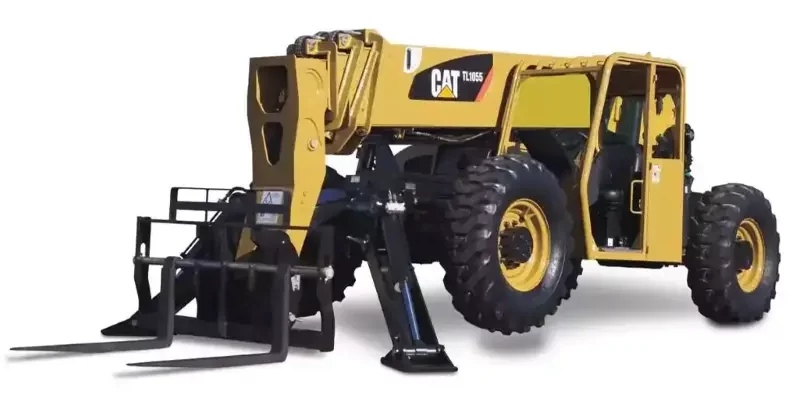
- 12,000 lbs. 55 Ft Telehandler: Offering the highest lift capacity in this category, this model is suited for the most demanding tasks, such as moving large structural components or heavy industrial equipment.
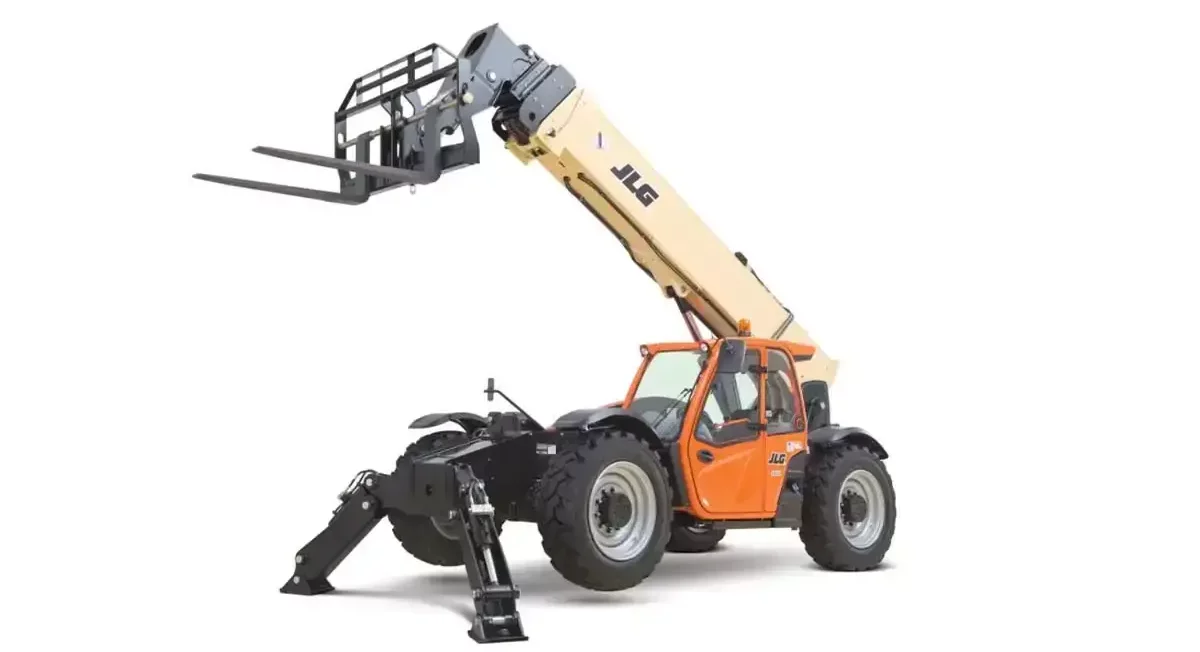
By understanding the different categories of telehandlers based on lift capacity and reach, project managers and equipment operators can select the most appropriate machine for their specific needs, ensuring efficiency and safety on the job site.
How to Choose the Right Telehandler for Your Project
Selecting the appropriate telehandler involves assessing several factors
- Load Capacity: Determine the maximum weight you’ll need to lift.
- Lift Height and Reach: Consider the vertical and horizontal distances materials must be moved.
- Site Conditions: Evaluate terrain, space constraints, and potential obstacles.
- Attachments Needed: Identify if specialized attachments are required for your tasks.
By analyzing these aspects, you can choose a telehandler that enhances productivity and safety on your site.
Common Telehandler Attachments and Their Uses
Enhancing a telehandler’s functionality often involves using specialized attachments:
- Forks: Standard for lifting and transporting palletized materials.
- Buckets: Ideal for moving loose materials like gravel or sand.
- Lifting Jibs: Used for suspending loads, offering crane-like capabilities.
- Work Platforms: Allow personnel to perform tasks at elevated heights safely.
- Truss Booms: Designed for lifting and placing trusses or similar structures
Selecting the right attachment is crucial for maximizing efficiency and safety on the job site.
Safety Considerations
Operating telehandlers safely requires adherence to best practices:
- Operator Training: Ensure operators are certified and familiar with the specific telehandler model.
- Pre-Operation Inspections: Conduct daily checks for mechanical issues or wear.
- Load Management: Always adhere to the manufacturer’s load charts and guidelines.
- Stability Awareness: Be mindful of the machine’s center of gravity, especially when the boom is extended.
Implementing these measures helps prevent accidents and maintains a safe working environment.
Why Rent a Telehandler?
Renting a telehandler can be a smart move for contractors and project managers who need reliable equipment without the long-term commitment. Here’s why many construction teams across the U.S. choose to rent rather than buy:
- Cost-Effectiveness – Buying a telehandler is a big investment—and one that might not make sense for short-term or seasonal projects. Renting helps you avoid the high upfront cost of ownership.
- Project Flexibility – Every project is different. When you rent, you can choose the right telehandler size, reach, and attachments based on the specific requirements of each job.
- Maintenance and Support – With rentals, there’s no need to worry about repair costs or equipment upkeep. Most rental agreements include maintenance, inspections, and even emergency support.
- Access to Newer Models – Technology evolves fast in the equipment world. Renting gives you access to the latest models with improved safety features, better fuel efficiency, and upgraded controls—without the hassle of buying and replacing older units.
- Reliability Through the Right Partner – Working with a trusted construction equipment rental provider means you get equipment that’s well-maintained, job-ready, and compliant with safety standards. A reliable partner ensures timely delivery, expert advice, and ongoing support to help keep your project running smoothly.
Conclusion
Understanding the different types of telehandlers and their applications is essential for selecting the right equipment for your construction or material handling needs. By considering factors such as load capacity, reach, site conditions, and attachment compatibility, you can enhance productivity and safety on your job site.
If you’re anywhere in the US and need assistance choosing the appropriate telehandler for your project, our team at National Dispatching is here to help. Contact us today to learn more about our rental options and how we can support your operational goals.