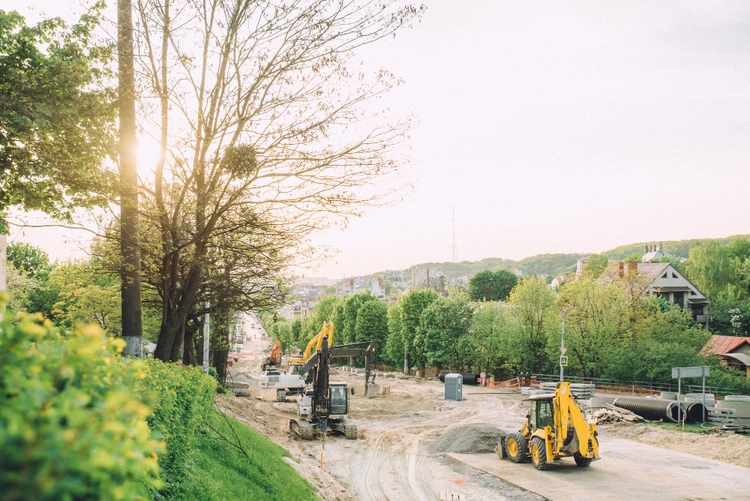


Trenching and excavation work are among the most hazardous operations in the construction industry. Each year, the Occupational Safety and Health Administration (OSHA) reports numerous injuries and fatalities caused by trench collapses — incidents that are often preventable with the right precautions and equipment.
For today’s contractors, modern trench safety isn’t just about compliance — it’s about building a proactive culture of risk prevention. From advanced protective systems to better site planning and real-time monitoring, the latest trench safety practices are redefining how crews stay safe below ground.
1. Start with a Detailed Site Assessment
Every safe trenching operation begins with understanding the site. Before breaking ground, a competent person (as required by OSHA Standard 1926.651) should inspect the soil type, weather conditions, nearby structures, and potential water accumulation points.
Key actions include:
- Conducting soil classification tests (Type A, B, or C) to determine stability.
- Identifying underground utilities before excavation.
- Checking for vibration sources that may cause wall movement.
This pre-assessment helps select the right protective system and reduces the chance of collapse or flooding.
2. Use Engineered Protective Systems
OSHA requires that any trench deeper than 5 feet must have a protective system in place unless the excavation is made entirely in stable rock. Modern protective systems include:
- Shoring: Hydraulic or pneumatic supports that prevent wall collapse.
- Shielding (Trench Boxes): Steel or aluminum structures that protect workers inside the trench.
- Sloping and Benching: Cutting trench walls back at an angle based on soil classification.
Modern trench boxes and modular shoring systems are now lighter, easier to install, and available for rent — allowing contractors to deploy them safely and efficiently without large upfront costs.
3. Control Water and Environmental Hazards
Water accumulation is one of the most common causes of trench instability. Even a small leak can weaken the trench wall, leading to cave-ins or slips.
Best practices for water control include:
- Installing dewatering pumps to manage surface or groundwater.
- Using proper drainage systems around the excavation.
- Regularly inspecting trenches after heavy rain or thawing.
Rental pumps and drainage equipment provide flexibility to adapt to changing site conditions and ensure continuous safety.
4. Maintain Safe Access and Egress
According to OSHA 1926.651(c)(2), trenches 4 feet or deeper must have safe access within 25 feet of all workers. This typically includes ladders, ramps, or stairways that are stable and extend above the trench edge.
Avoid makeshift access solutions — unstable entry points are a leading cause of injuries. Ensure that all egress systems are placed before workers enter the trench and are checked daily for stability.
5. Monitor Conditions Continuously
Trench safety is not a one-time setup — it’s an ongoing process.
A competent person must inspect trenches at least once daily and after every rainstorm, vibration event, or load change.
Modern monitoring tools, such as laser levels, ground sensors, and even smart cameras, can now detect wall movement and alert supervisors before conditions become critical.
6. Prioritize Training and Communication
Even the best safety systems fail without proper training. Workers should understand:
- How to recognize warning signs of a potential cave-in.
- Proper entry and exit procedures.
- Emergency protocols if conditions change suddenly.
Safety briefings should be part of the daily routine, not just a one-time training requirement. Clear communication between operators, supervisors, and field teams prevents confusion and keeps everyone alert.
7. Leverage Equipment Rentals for Safer Operations
For many contractors, renting trench safety equipment offers flexibility and assurance. Rental partners provide inspected, OSHA-compliant systems such as trench boxes, pumps, and lighting that meet the specific site requirements.
Benefits of renting include:
- Access to the latest engineered safety systems.
- Maintenance and inspection records that support OSHA compliance.
- On-demand availability during high-risk or time-sensitive projects.
Collaborating with a reliable rental provider ensures safety isn’t compromised, even under tight timelines.
Conclusion: Building a Culture of Modern Trench Safety
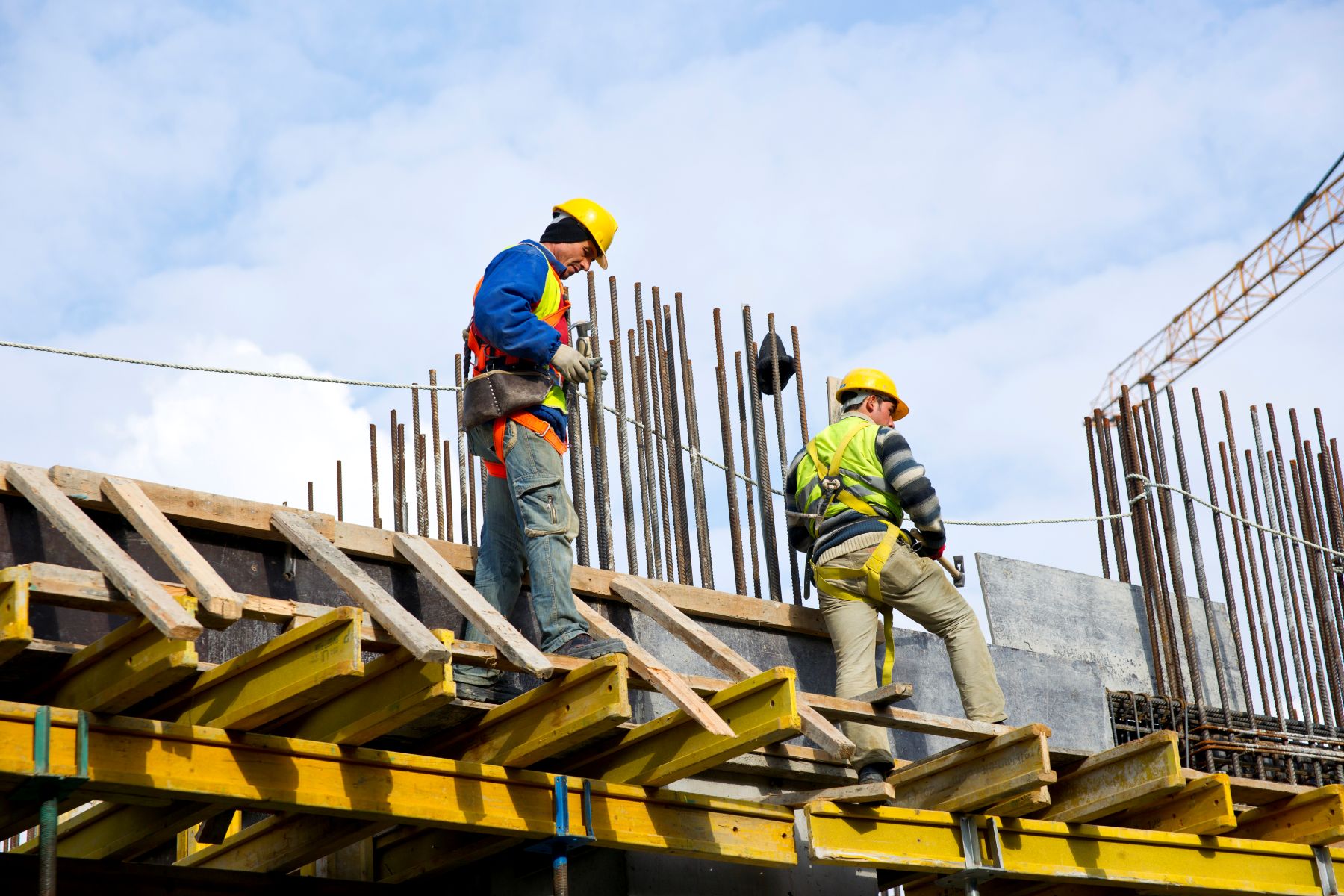
Trench safety is more than compliance, it’s about sending every worker home safely at the end of the day.
By following modern safety practices, from engineered protection systems to proactive monitoring and trained crews, contractors can dramatically reduce risk while maintaining productivity.
The tools and technology exist to make trenching safer than ever. When combined with smart planning and reliable rental support, modern trench safety practices create a foundation for safer, more efficient job sites across the U.S.