
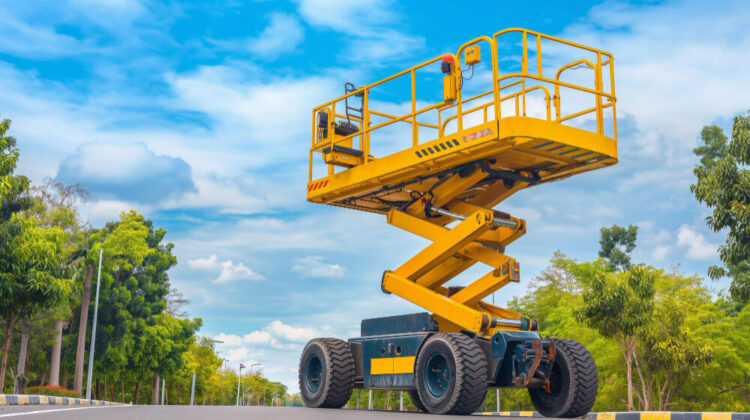
Scissor lifts are a core part of access operations across commercial, industrial, and construction projects. Their reliability and ease of use make them a go-to choice for elevated tasks. However, a large number of jobsite delays, safety incidents, and unplanned shutdowns are linked to avoidable operational mistakes rather than equipment defects.
For contractors, site supervisors, and procurement teams, understanding these common scissor lift errors is essential to minimizing downtime, meeting project schedules, and maintaining a safe work environment. Below are the issues most commonly observed on U.S. jobsites and the best practices to prevent them.
1. Insufficient Pre-Operation Inspections
Daily inspections are a critical requirement for safe scissor lift operation. Yet, they are often rushed or overlooked, leading to breakdowns that halt work mid-shift.
Frequent inspection oversights include:
- Missing hydraulic or battery leaks
- Failing to verify guardrail integrity
- Overlooking tire and wheel wear
- Ignoring alerts on the control panel
Best Practice:
Implement a standardized pre-shift inspection checklist and require operators to verify mechanical, hydraulic, electrical, and safety systems before the lift is used.
2. Exceeding Platform Load Capacity
Scissor lifts are engineered with strict load limits. Even slight overloading can compromise hydraulic performance, reduce stability, and trigger automatic shutdowns.
Typical overload scenarios:
- Multiple workers exceeding combined weight limits
- Heavy tools or material bundles are placed without a weight calculation
- Incorrect assumptions about platform capacity
Best Practice:
Verify load ratings before every use. Account for the weight of personnel, tools, and materials collectively, not individually.
3. Operating on Unstable or Improper Ground Conditions
Ground stability is foundational to scissor lift safety. Soft soil, debris, slopes, or uneven surfaces increase the risk of instability and tip-over incidents.
Common mistakes include:
- Driving while elevated over uneven terrain
- Setting up on slopes beyond the allowable grade
- Operating electric lifts outdoors on soft ground
- Neglecting ground preparation
Best Practice:
Conduct a ground assessment before positioning the lift. Use rough-terrain units on outdoor or uneven surfaces and reserve slab lifts for smooth, level environments.
Learn more about Rough Terrain Scissor Lifts: Why They Matter on Uneven Job Sites
4. Unsafe Weather-Related Operation
Weather conditions, especially wind, are a major contributor to scissor lift downtime and safety risks.
Frequent weather-related errors:
- Operating in wind speeds above manufacturer limits
- Using lifts during rain, lightning, or low visibility
- Deploying indoor-rated units outdoors
Best Practice:
Monitor wind speeds continuously, confirm maximum wind ratings, and halt operations immediately when conditions exceed manufacturer guidance.
5. Moving While Elevated in Unsafe Conditions
Although some scissor lifts permit limited motion while elevated, this feature is often misused.
Issues include:
- Moving at full height
- Driving over debris or elevation changes
- Attempting sharp turns while elevated
Best Practice:
Lower the platform before repositioning whenever possible. Move elevated only when permitted by the manufacturer and only on stable, smooth surfaces.
6. Poor Battery or Fuel Management
For electric scissor lifts, improper charging practices are a leading cause of mid-shift shutdowns.
Common battery-related errors:
- Partial charging instead of full cycles
- Using inadequate extension cords or power sources
- Failing to maintain flooded battery water levels
- Allowing batteries to fully discharge
Best Practice:
Establish a structured charging routine at the end of each shift. Maintain batteries according to manufacturer specifications.
7. Using the Wrong Lift for the Job
Selecting the wrong lift type can result in inefficiency, increased operator risk, and frequent downtime.
Typical mismatches:
- Indoor slab lifts used outside
- Insufficient platform height for task requirements
- Using narrow lifts for material-heavy work
- Tire types not suited for ground conditions
Best Practice:
Match lift type, height, capacity, and terrain rating to the application. Proper equipment planning prevents unnecessary delays.
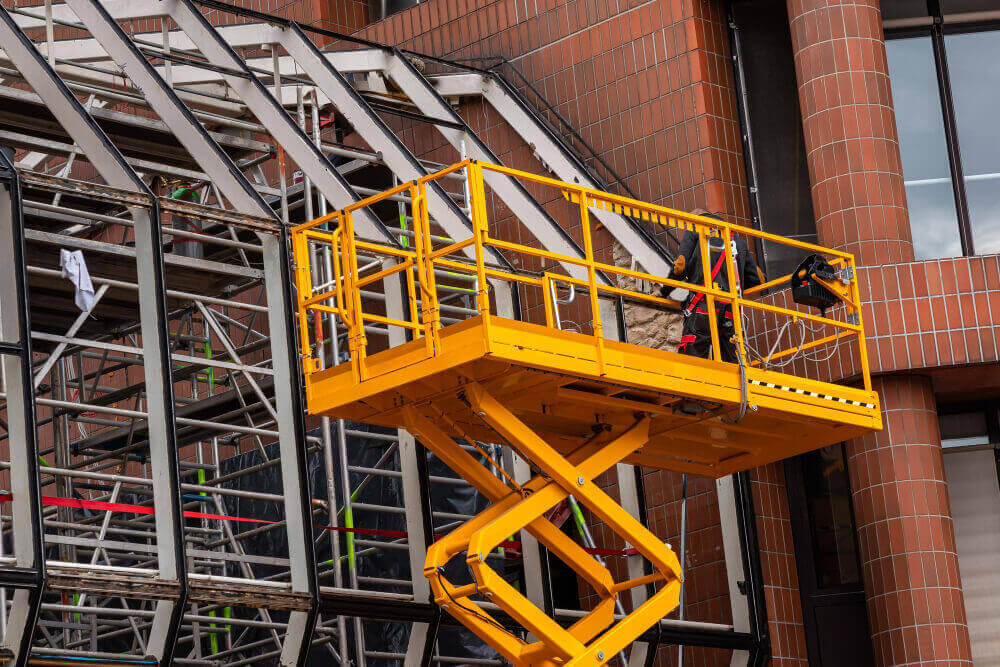
How Contractors Can Minimize Scissor Lift Downtime
Preventing downtime is a combination of planning, hazard awareness, and operator discipline.
Contractors should ensure:
- Daily pre-operation checklists are completed and documented
- Only trained, authorized operators handle lifts
- Ground conditions are assessed before setup
- Load calculations are verified before elevation
- Weather conditions are actively monitored
- Correct lift types are assigned for each task
- Charging and fueling procedures are followed
These practices not only prevent downtime but also support safety compliance and jobsite efficiency.
Conclusion: Reducing Downtime Begins with Eliminating Common Mistakes
Most scissor lift issues stem from preventable errors, not mechanical failures. By strengthening inspection routines, matching equipment to the application, monitoring environmental conditions, and reinforcing operator training, contractors can significantly reduce downtime and maintain safer, more efficient operations.
Proactive planning and proper lift management ensure that scissor lifts remain the reliable access solution they are designed to be, delivering consistent performance without unnecessary interruptions.