
Proper compaction reduces long-term maintenance costs by creating a stable, load-bearing base that prevents settlement, cracking, water intrusion, and premature surface failure.
When soil or base materials are compacted correctly, structures and pavements experience less movement, require fewer repairs, and maintain performance over a longer service life.
What Is Proper Compaction in Construction?
Proper compaction is the process of densifying soil, aggregate, or asphalt to the required specifications by removing excess air voids using appropriate equipment, moisture control, and compaction techniques.
Proper compaction means:
- Correct material type
- Correct moisture content
- Correct compaction equipment
- Correct number of passes
- Uniform density across the site
When any of these factors are missed, compaction becomes superficial rather than structural.
How Does Improper Compaction Increase Maintenance Costs?
Improper compaction creates hidden weaknesses beneath finished surfaces. These weaknesses do not fail immediately but worsen over time, leading to repeated maintenance expenses.
Key cost impacts include:
- Cracking of asphalt or concrete surfaces due to uneven support
- Differential settlement that creates low spots, potholes, and uneven grades
- Drainage failures caused by loose soil allowing water migration
- Freeze–thaw damage in colder climates due to trapped moisture
- Repeated patching and resurfacing instead of long-term durability
These issues often appear after project completion, transferring maintenance responsibility back to owners or contractors.
Why Proper Compaction Prevents These Problems
Proper compaction addresses the root causes of long-term failure rather than treating surface symptoms.
1. Proper Compaction Improves Load Distribution
A well-compacted base spreads loads evenly across the subgrade. This reduces localized stress points that cause cracking, rutting, and deformation.
2. Proper Compaction Reduces Material Movement
Densified soil and aggregates resist shifting and settlement, keeping surfaces level and structurally sound.
3. Proper Compaction Controls Water Infiltration
Dense layers limit water penetration, reducing erosion, pumping, and freezing–thaw damage that accelerate deterioration.
4. Proper Compaction Extends Surface Life
Pavements and slabs supported by compacted bases retain strength and integrity for longer periods, reducing maintenance frequency.
How Much Can Proper Compaction Reduce Maintenance Costs?
While costs vary by project type, proper compaction can significantly reduce lifecycle expenses by minimizing:
- Early resurfacing or reconstruction
- Emergency repairs
- Labor and material costs for recurring fixes
- Downtime caused by surface failure
In many infrastructure and site-development projects, compaction-related failures account for a large portion of avoidable maintenance costs over the asset’s lifespan.
Read more about The Complete Guide to Compactors: Types, Uses, and Maintenance Tips
What Role Does Compaction Equipment Play?
Proper compaction cannot be achieved without suitable equipment.
Common compaction equipment includes:
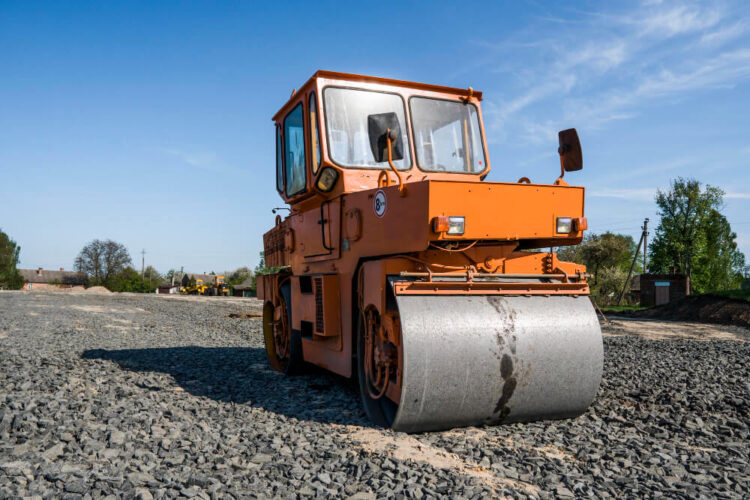
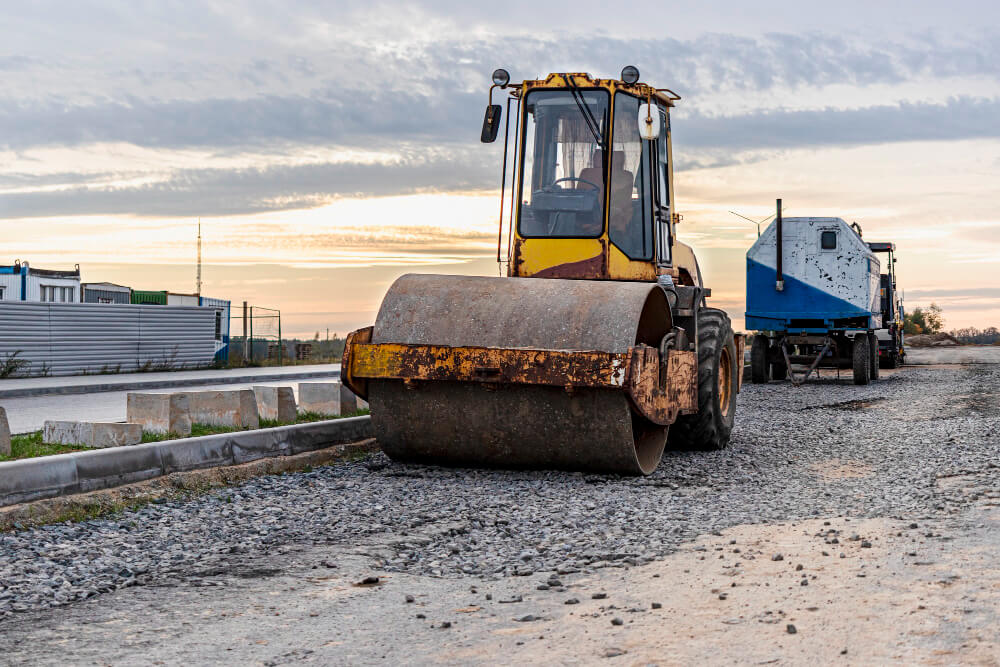
- Drum rollers for large-scale soil and asphalt compaction
- Vibratory rollers for deeper densification
- Plate compactors for trenches and confined areas
Using incorrect or undersized equipment often leads to uneven density, even if the surface appears finished.
This is why many contractors prefer compaction equipment rental, allowing them to match equipment precisely to project requirements rather than compromising with owned machinery.
Why Rushing Compaction Increases Long-Term Costs
Rushing compaction is a short-term time saver with long-term financial consequences.
Rushed compaction typically results in:
- Fewer passes than required
- Poor moisture control
- Inconsistent density across the site
These shortcuts may pass visual inspection but fail structurally over time, leading to maintenance work that far exceeds the time saved during construction.
When Is Compaction Most Critical?
Compaction is most critical during:
- Subgrade preparation
- Base layer installation
- Trench backfilling
- Road and pavement construction
Errors at these stages cannot be fully corrected later without removal and reconstruction.
Why Proper Compaction Is a Cost-Control Strategy
For contractors and project owners, proper compaction should be treated as a preventive cost-control measure, not an expendable task.
Benefits include:
- Lower long-term maintenance budgets
- Improved asset performance
- Reduced liability and callbacks
- Stronger client confidence
Projects that prioritize compaction consistently outperform those that treat it as routine.
Final Answer
Proper compaction reduces long-term maintenance costs by preventing structural movement, minimizing water-related damage, and extending the service life of roads, foundations, and paved surfaces.
It is one of the most effective ways to control lifecycle costs in construction, especially for projects expected to perform over many years.