
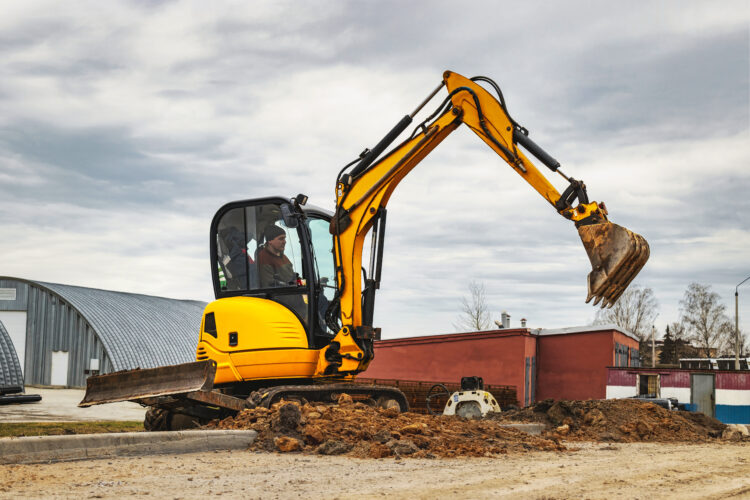
Ready to transform your small landscaping projects? Today, the spotlight is on the mini excavator, a powerhouse tool that transforms mundane tasks into feats of efficiency and precision. Suited perfectly for the confines of tight spaces and designed with versatility in mind, the mini excavator emerges as the hero for homeowners and professionals seeking to optimize their outdoor endeavors. Let’s dive into why this compact piece of equipment should be your next go-to solution for all your landscaping needs.
Advantages of a Mini Excavator for Small Landscaping Projects
Efficiency
A mini excavator is a powerhouse when it comes to small-scale landscaping. Its compact size allows it to maneuver in tight spaces that larger machines simply cannot reach, making it perfect for residential areas and confined spaces. The reduced size doesn’t mean compromised power. Mini excavators offer sufficient horsepower to tackle a variety of tasks such as digging, lifting, and grading. They can also work faster than manual labor, significantly reducing the time taken to complete a project.
Versatility
The adaptability of mini excavators is one of their strongest suits. Equipped with different attachments, these machines can transition from digging trenches to breaking rocks, or even boring holes for planting without the need for multiple specialized machines. Attachments can include breakers, augers, or thumbs, which enhance the utility of the mini excavator across various tasks typically found in landscaping projects. This adaptability eliminates the need to hire different types of equipment, streamlining operations and saving time.
Cost-effectiveness
Opting for a mini excavator can also be a pocket-friendly choice for small-scale landscaping projects. Their efficiency and versatility mean that they can perform multiple jobs, reducing the number of machines you need to rent or buy. Mini excavators also consume less fuel than their larger counterparts, which results in lower operating costs. Additionally, due to their size, these machines typically have lower rental rates, which further helps in keeping your budget in check. For small business owners or DIY landscapers, this can translate to significant cost savings while maintaining high-quality work.
Considerations Before Using a Mini Excavator
Terrain suitability
Before deploying a mini excavator, assess the terrain of your project site. These machines are optimal for relatively flat, stable surfaces and can struggle on very rocky or uneven terrain. Understanding the soil type and topography is crucial as it affects the efficiency and safety of operations. Pre-assessment prevents potential delays and ensures the selection of the right equipment for specific ground conditions.
Operator skill level
Operating a mini excavator requires specific skills and knowledge. While they are easier to handle than larger excavators, proper training and familiarity with the equipment’s functions are necessary for safe and effective use. Potential operators should either have experience or receive training to operate these machines efficiently. This ensures the safety of both the operator and the project, avoiding costly mistakes or accidents.
Safety precautions
Safety cannot be overlooked when using any kind of construction equipment. Ensure that all operators wear appropriate personal protective equipment and understand the operational guidelines of the mini excavator. Check the machine for any maintenance issues before each use, and clear the area of bystanders, especially in residential or congested areas. By prioritizing safety, you reduce the risk of accidents and increase the likelihood of a smoothly executed project.
How to Choose the Right Mini Excavator for Your Project
Size considerations
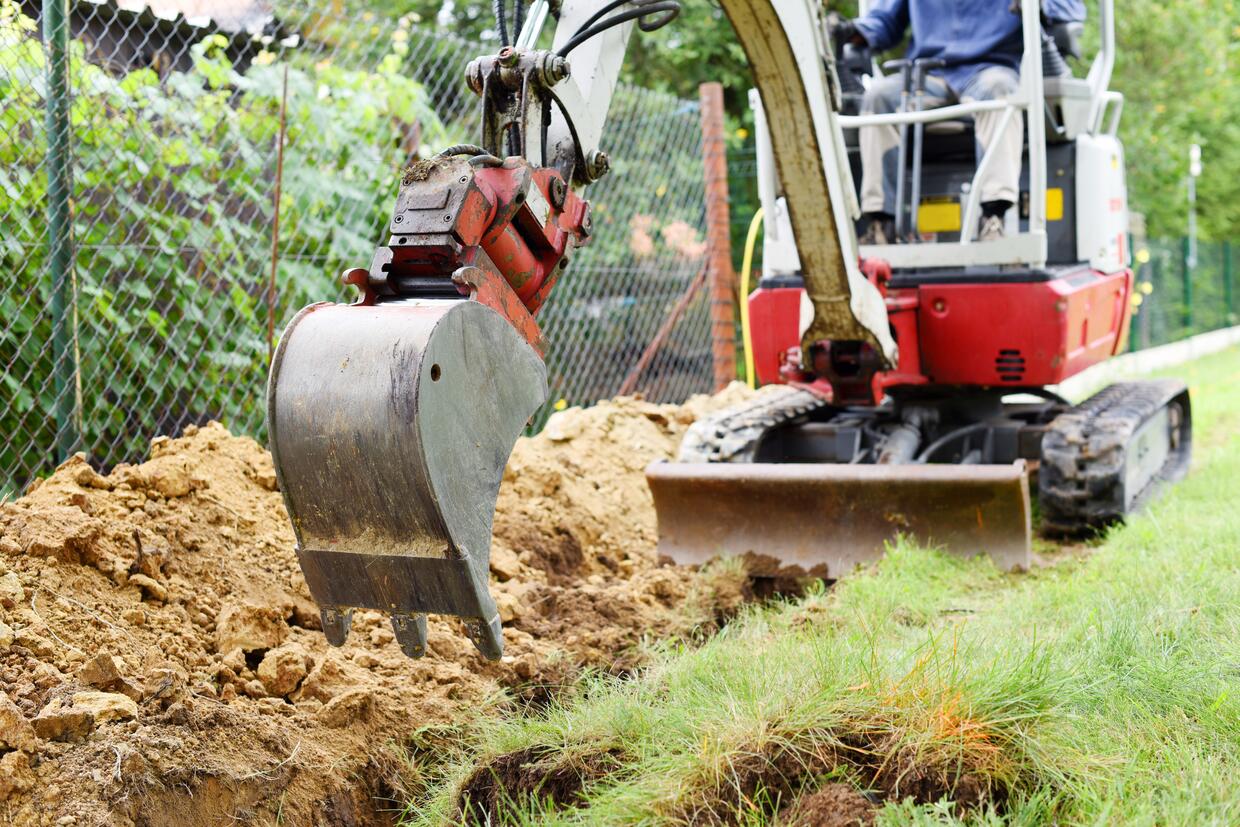
When selecting a mini excavator for a small landscaping project, size really does matter. The primary factor to consider is the scale of your project space. Mini excavators come in various sizes from micro, which are perfect for the tightest spaces and can weigh as little as 2,000 pounds, to larger mini excavators weighing up to 10,000 pounds. A smaller size is ideal for residential projects with limited access or where you need to minimize ground disturbance. On the other hand, slightly larger models provide greater digging depth and power, crucial for tasks requiring more substantial excavation.
Attachment options
The versatility of a mini excavator lies in its capability to accommodate different attachments. Standard options include buckets, breakers, augers, and rippers, each serving a unique purpose. Buckets are great for digging and backfilling; breakers can handle the tough rock or concrete demolitions; augers facilitate efficient drilling into the earth, perfect for fence post installations; and rippers can break up hard or frozen soil. Assess the needs of your project and ensure that the mini excavator model you choose supports the attachments necessary for your specific tasks.
Rental vs. purchase decisions
Deciding whether to rent or buy a mini excavator comes down to the frequency of use and financial considerations. Renting an mini excavator can be a cost-effective option if it is needed only for a single project or on an occasional basis. It eliminates the need for long-term storage and maintenance. However, if you foresee frequent use over multiple projects, purchasing might be more economical in the long run. Consider the financial flexibility of your budget and the projected frequency of use before making this decision.
Maintenance Tips to Ensure Longevity of Your Mini Excavator
Regular checks and service
Ensuring that your mini excavator operates at peak efficiency involves regular maintenance checks and routine servicing. Start by checking the hydraulic system, which is the lifeline of the excavator, for any leaks or worn hoses. An oil and filter change every 250 hours of operation is a good rule of thumb, keeping the engine in optimal condition. Pay attention to the undercarriage as well; inspecting rollers, sprockets, and tracks for damages can prevent more costly repairs later. Always refer to the manufacturer’s guidelines for specific maintenance schedules and adhere to them religiously. Not only does this keep the mini excavator in proper working order, but it also extends its lifespan significantly.
Proper cleaning and storage
After each use, cleaning your mini excavator can significantly reduce the risk of rust and wear. Ensure to wash away any dirt and debris, particularly from the tracks and undercarriage where material can accumulate, potentially leading to faster deterioration. Applying lubricant to moving parts can prevent them from seizing up, especially in colder weather. When storing your mini excavator, choose a covered area to protect it from harsh weather elements. Additionally, ensure the tracks are clear from the ground to avoid unnecessary pressure and potential warping. Embracing these cleaning and storage practices will boost the longevity and reliability of your equipment, ensuring that it’s ready for work whenever you are.
Mini excavators are powerful yet compact tools that can revolutionize landscaping projects. Their ability to maneuver in tight spaces and handle heavy tasks efficiently makes them indispensable for both professionals and homeowners. By using a mini excavator, you can significantly speed up project completion, reduce labor costs, and achieve professional-quality results.