
In today’s construction environment, where deadlines are tight and margins are narrow, efficiency starts with choosing the right equipment. Among all heavy machinery on the job site, excavators remain one of the most versatile and in-demand assets — essential for digging, grading, demolition, and material handling.
But an excavator’s productivity isn’t determined by size alone. It depends on how well the machine’s configuration matches the task at hand — and that means understanding the types of attachments it’s built to support.
While National Dispatching doesn’t rent attachments directly, knowing how they interact with different excavator classes can help contractors and project managers select the right excavator rental for optimal performance, fuel efficiency, and safety.
Why Attachment Knowledge Matters When Renting an Excavator
Every excavator operates with a specific hydraulic capacity, lift range, and reach. The type of work being performed — whether trenching, breaking concrete, or grading — determines the ideal configuration.
For example:
- A compact excavator may handle small buckets for precision trenching or landscaping.
- A mid-sized excavator might be best suited for loading, utility installation, or foundation digging.
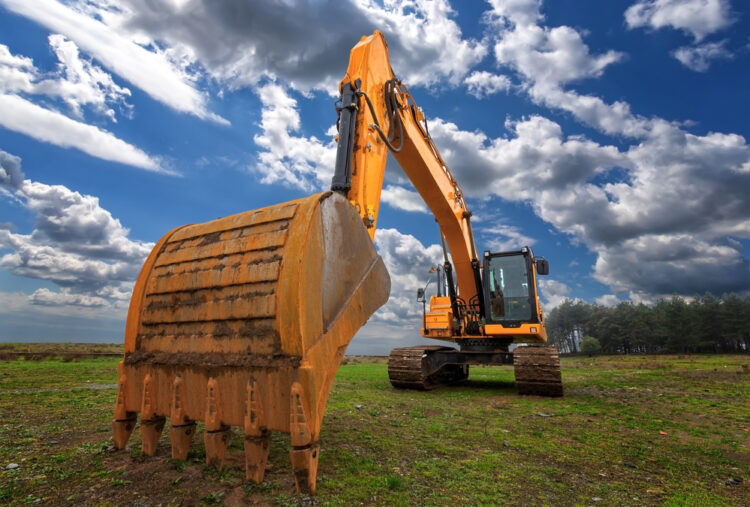
- A heavy excavator, with higher hydraulic flow and lifting strength, supports more demanding jobs like rock excavation or demolition.
By understanding how attachments like buckets, augers, and breakers are used, renters can communicate project needs more effectively — allowing rental providers to recommend the excavator that meets both the job’s performance and hydraulic requirements.
Matching Excavator Size and Setup to Jobsite Needs
Each project phase calls for a different combination of reach, power, and hydraulic capability. Here’s how attachment-related tasks help determine the right excavator size and configuration:
1. Digging and Trenching
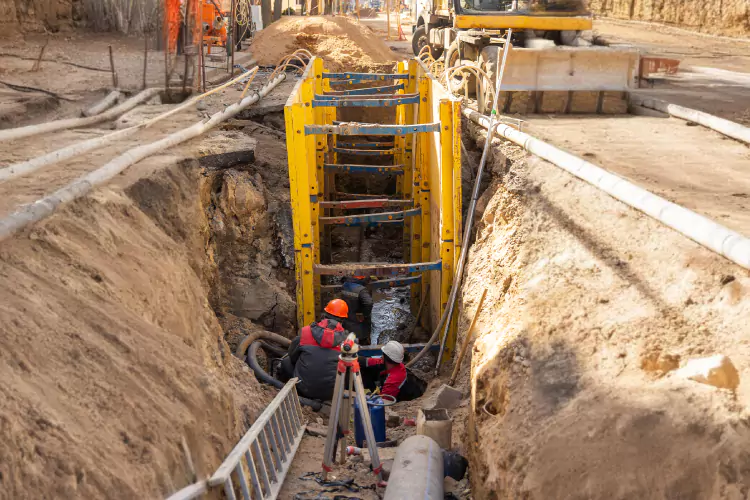
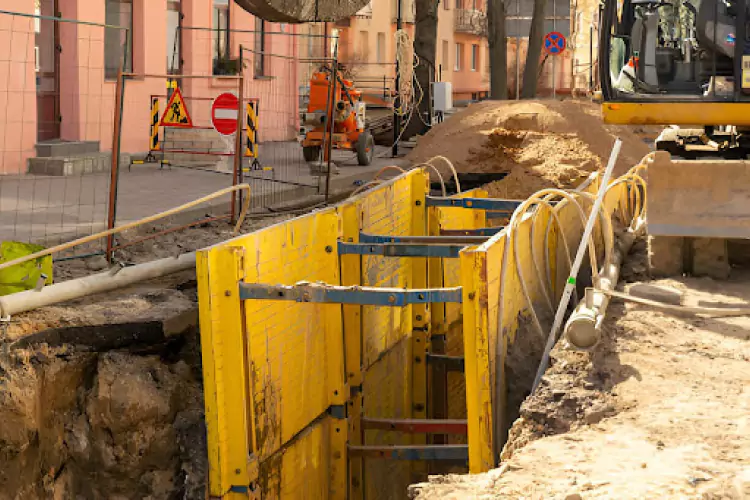
Jobs that involve trenching, pipe installation, or foundation work require precision and reach. Standard excavators with balanced hydraulic output and digging depth are ideal for these applications, providing stability while maintaining efficient cycle times.
Recommended rental setup: Mid-sized excavator with a standard arm length for balanced reach and power.
2. Grading and Leveling
When surface accuracy is critical — such as in landscaping, road preparation, or backfilling — an excavator with responsive hydraulic control and a wide grading bucket configuration performs best.
Recommended rental setup: Excavator models with advanced control systems and smooth boom operation for precision grading.
3. Demolition and Material Breaking
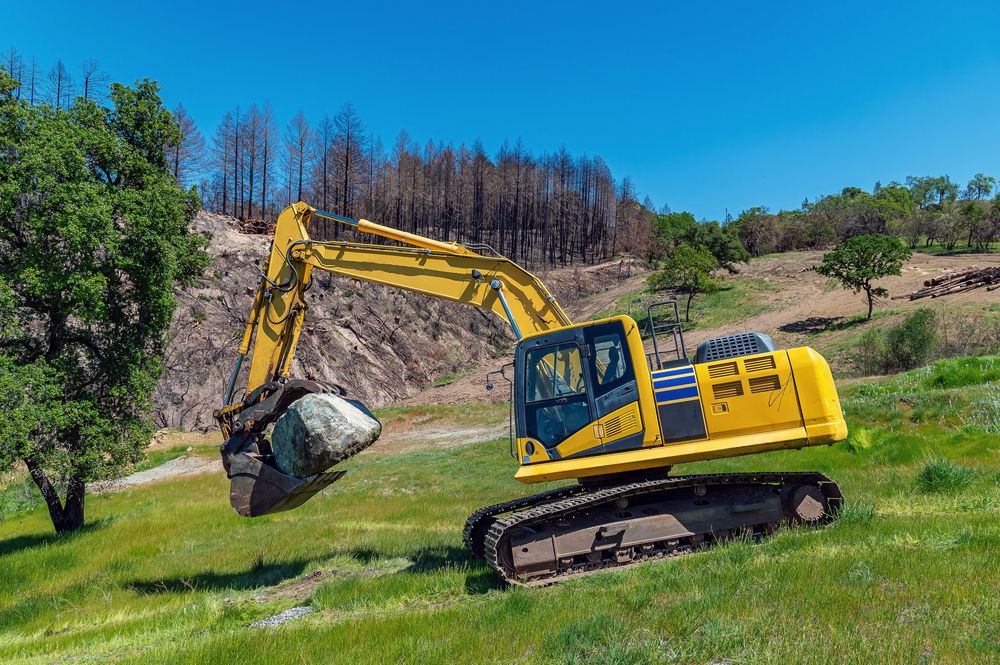
Projects involving rock, concrete, or reinforced foundations demand high hydraulic output and structural durability. A heavy-duty excavator built to support breaker attachments or heavy loads will minimize strain and downtime.
Recommended rental setup: Large-frame excavator with reinforced boom and high-flow hydraulics for heavy-impact operations.
4. Utility and Residential Work
In compact or confined areas — such as residential lots or utility corridors — smaller excavators deliver agility without compromising capability. Their compact swing radius and precision control help operators work safely around existing structures or utilities.
Recommended rental setup: Mini or compact excavator with tight-tail swing design for enhanced maneuverability and efficiency in restricted spaces.
How the Right Excavator Rental Improves Efficiency
Selecting the appropriate excavator configuration can significantly impact your jobsite’s efficiency and overall operating costs:
- Fuel Optimization: A properly matched excavator operates at ideal load conditions, minimizing excess fuel burn.
- Reduced Downtime: Hydraulically compatible configurations lower the risk of system strain or component failure.
- Operator Comfort: Machines tailored to the job type improve control precision and reduce fatigue.
- Safety Compliance: Well-matched equipment ensures stability, proper lifting limits, and safer operation on uneven ground.
When project requirements are clearly defined, rental partners can provide machines that deliver the right balance of power, control, and efficiency for each task.
The Advantage of Renting for Project Flexibility
Owning multiple excavators to cover all project types can quickly become cost-prohibitive. Renting, on the other hand, allows construction teams to scale equipment as needs evolve — without long-term maintenance or storage burdens.
Rental flexibility also allows teams to switch between excavator classes as project phases shift — for example, moving from a compact unit for initial site prep to a heavy-duty model for excavation and loading.
With pre-serviced, site-ready equipment, contractors can maintain lean operations while still meeting schedule demands and quality standards.
Building Smarter Job Sites Through Informed Equipment Decisions
Knowing how excavator attachments work isn’t about owning them — it’s about understanding how they influence machine performance.
By factoring in attachment compatibility, hydraulic flow requirements, and project-specific tasks, you can rent the right excavator that delivers the strength, reach, and control needed for the job.
When matched correctly, your excavator rental becomes a precision tool — not just another machine on site.
Final Takeaway
Efficient construction begins with informed decisions. Understanding the relationship between excavator attachments and machine specifications empowers teams to select rentals that maximize performance, minimize downtime, and support safe, consistent project delivery.
For contractors seeking reliability and responsiveness, choosing the right excavator rental can make all the difference between staying on schedule — or falling behind it.