
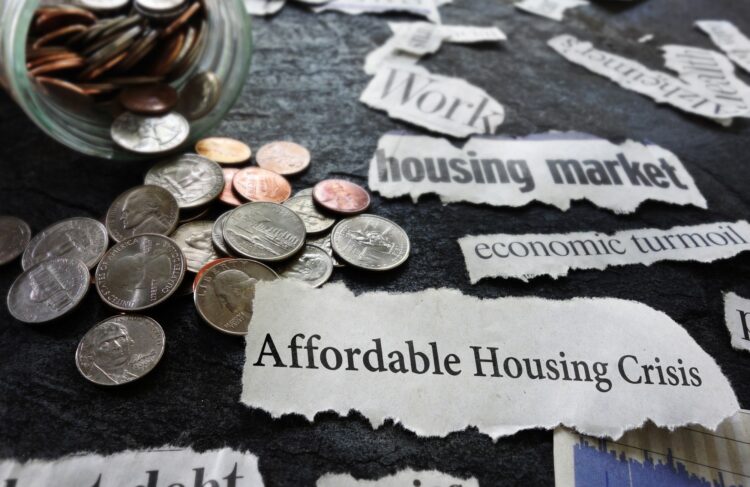
The U.S. is facing a severe housing crisis, with rising costs and limited availability making homeownership and renting increasingly unaffordable for many Americans. Builders and developers are under pressure to construct more homes quickly and cost-effectively to meet the growing demand. One key strategy that is helping the construction industry respond to this crisis is the use of rental equipment. By renting instead of purchasing machinery, builders can reduce costs, improve efficiency, and accelerate project timelines—all crucial factors in expanding affordable housing.
The Rising Demand for Affordable Housing
Affordable housing has become a pressing issue across the U.S., with urban centers experiencing particularly severe shortages. According to reports, millions of Americans spend more than 30% of their income on housing, placing financial strain on families and limiting economic mobility. High material costs, labor shortages, and zoning restrictions further complicate the problem, delaying new developments and keeping home prices high.
In response, many developers are looking for ways to cut costs and speed up construction without sacrificing quality. Equipment rental has emerged as a critical solution, offering flexibility and cost savings that help keep projects on track and within budget.
How Equipment Rentals Support Affordable Housing Development
1. Lowering Upfront Costs
Purchasing heavy construction equipment like excavators, bulldozers, and concrete mixers requires significant capital investment. This upfront cost can be a major barrier for developers, especially those working on budget-sensitive affordable housing projects. Renting equipment eliminates these large initial expenses, allowing builders to allocate more funds toward materials, labor, and other critical needs.
2. Reducing Maintenance and Storage Expenses
Owning construction machinery comes with ongoing costs, including maintenance, repairs, and storage. Regular servicing is necessary to keep equipment in good condition, and unexpected breakdowns can lead to costly delays. Rental companies handle maintenance and repairs, ensuring that builders always have access to well-functioning equipment without additional upkeep expenses.
Storage is another concern—large machinery needs a secure space when not in use, which adds to project costs. Renting equipment only when needed eliminates the need for long-term storage solutions, further reducing expenses.
3. Access to the Latest Equipment and Technology
New construction technologies are continuously emerging, offering improved efficiency, safety, and environmental benefits. However, purchasing the latest equipment can be prohibitively expensive, especially for smaller contractors and housing developers. Renting gives builders access to state-of-the-art machinery without requiring a large financial commitment.
For example, advanced earthmoving equipment, GPS-enabled grading machines, and automated concrete mixers can significantly enhance project efficiency. With rental options, construction firms can use the latest innovations without the burden of ownership.
4. Flexibility to Scale Operations
Affordable housing projects often vary in size and scope, requiring different types of equipment at different stages. Renting equipment provides the flexibility to scale up or down as needed, ensuring that builders only pay for the machinery they require at any given time.
For instance, in the early stages of a housing development, earthmoving and excavation equipment are essential. Later, cranes and concrete mixers became more important. Renting allows contractors to switch between different machines as projects progress without unnecessary expenditures on idle equipment.
5. Reducing Project Delays
Delays are a major issue in construction, especially in affordable housing projects where deadlines are critical. Waiting for equipment availability, dealing with unexpected breakdowns, or managing equipment shortages can slow down progress. Rental companies typically have a large fleet of readily available equipment, ensuring that builders can quickly access the machinery they need and keep projects on schedule.
6. Supporting Green and Sustainable Building Practices
Sustainability is an increasing priority in the construction industry, with many affordable housing projects incorporating eco-friendly materials and energy-efficient designs. Renting equipment supports sustainability in several ways:
- Shared Use Reduces Waste: Instead of purchasing machinery that will sit idle for long periods, multiple contractors can use the same rented equipment, reducing the demand for new manufacturing.
- Access to Energy-Efficient Machinery: Many rental companies offer newer, fuel-efficient models that reduce emissions and energy consumption, aligning with green building initiatives.
7. Helping Small and Mid-Sized Contractors Compete
Many affordable housing projects are awarded to small and mid-sized contractors who may not have the financial resources to purchase heavy machinery. Equipment rental levels the playing field by providing access to high-quality equipment and machinery without significant upfront investment. This enables smaller construction firms to take on larger projects and contribute to solving the housing crisis.
The Future of Equipment Rentals in Affordable Housing
As the demand for affordable housing continues to grow, the role of equipment rental will become even more significant. Construction equipment rental companies are increasingly offering flexible leasing options, on-demand delivery, and digital platforms for quick equipment access. These advancements will further enhance efficiency and cost savings for builders, making rentals an essential part of the housing solution.
Additionally, partnerships between rental companies and affordable housing developers can lead to better pricing, improved access to specialized equipment, and customized rental solutions for large-scale projects.
The affordable housing crisis presents a complex challenge that requires innovative solutions. Equipment rentals provide a practical, cost-effective way to accelerate construction, reduce financial strain, and support sustainable building practices. By renting machinery instead of purchasing it, developers can focus their resources on delivering high-quality, affordable homes to communities in need.
For contractors, builders, and developers looking to navigate the affordable housing market, renting equipment is not just a smart financial decision—it’s a strategy that enables faster, more efficient, and scalable construction. As the industry evolves, equipment rental will remain a key player in shaping the future of affordable housing in the U.S.